Message from the Dean
DEAR SESP COMMUNITY,
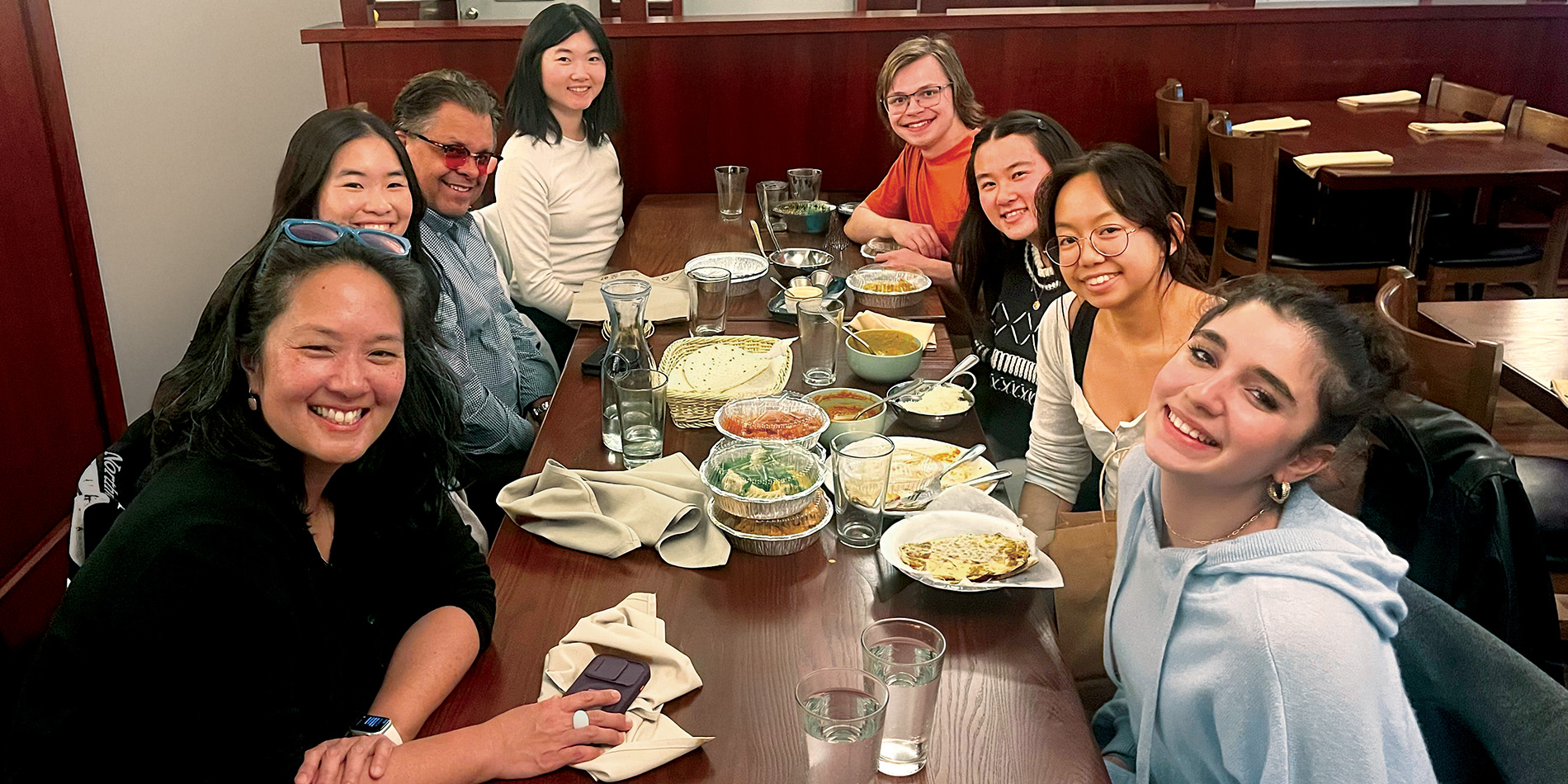
One of my favorite SESP traditions is Dine with the Dean. Several times each quarter, I gather with six to eight students at a local Evanston restaurant, where we deliberately order too much food (so they can take home leftovers), and we talk. Phones stay in bags. We listen; we ask questions; we share stories. I am guided by a singular question and goal: How can we make SESP better?
I always leave these evenings refreshed and wishing we had another hour. Or two. Our students are smart, driven, and genuinely interesting. And they are remarkably good at connecting—with one another and with me.
That capacity for connection is not incidental to what we do here. It is the point. SESP is fundamentally rooted in the relational aspects of learning. We are, in many ways, a school of emotional intelligence. We center students, we center people, and we center well-being. Decades of research confirm what we already believe: When students are happy, they thrive—in the classroom and beyond it. Our students are happy. They thrive.
I've heard people suggest that rigor should be measured by how much students struggle and how unhappy they are with the difficulty of their coursework. Or that the future belongs entirely to quantitative hard skills in math and science that can be measured or demonstrated.
I respectfully disagree. SESP has long understood that the ability to hold meaningful conversations, build relationships, and navigate complex human dynamics is more valuable in the workplace than technical skills alone. Calling these abilities "soft" has always struck me as misleading. Being human is not a liability. It is something worth celebrating. And in practice, skills like communication and judgment are the future of the workplace and of a healthy planet.
During our Dine with the Dean events, I expect students to put their phones away. Genuine human connection doesn't need to be mediated by technology—and students know it. Asking questions, listening, and being part of face-to-face conversations build relationships in powerful ways. Part of that humanity means being deliberate about how we use technology. Learning to use our devices as tools, rather than being used by them, shapes how we see the world and how we show up in it.
I am proud of what we are building at SESP—proud of our students, our alumni, and our research and programming, like a recent conference on emotional well-being in a wired world. I'm also eager to see how our graduates help define what comes next, because we're an aspirational school that sets a direction rather than a destination. We don't just work to get students across a finish line; we help them build the capacity, stamina, and courage to move toward something better.
That question—how can we make SESP better?— doesn't get answered just once. It gets answered dinner by dinner, and I keep listening. Because it's human connections, not technical skills, that make SESP distinctive and prepare students for the future.
Warmly,
Bryan